“I’ll just grab my usual” 😉
If you’re here for your tried-and-trusted brand and model, or just the cheapest balls you can find… we see you.
Dabble with the filter and narrow down the options, or scroll down to the Ideal Ball tool: drop in your handicap, spend your points highlighting the attributes you actually want, and we’ll suggest up to 3 suitable options.
Not interested? Totally fine. Buy exactly what you came for.
We’ll take your money either way. We’re not proud.
But if you’re even a tiny bit open to it… the tools are right there. Go on. Be a hero.
Brand Stories
The history behind the names on the shelf
1931Established
🇯🇵Japan
Bridgestone
95 Years in Business
19312026
Japanese tire giant founded in 1931 by Shōjirō Ishibashi, with golf balls following in 1935. The brand pushed seriously into clubs and balls through the 1970s via a Spalding joint venture, then entered the U.S. market in the 1990s under the Precept name before rebranding to Bridgestone Golf. It exited clubs entirely around 2020 to focus purely on balls.
Most Famous PlayerTiger WoodsSwitched to Bridgestone in 2016 after Nike exited equipment — still plays the Tour B XS.
Also worth knowing: Jason Day, Matt Kuchar, Lexi Thompson.
An engineering-first brand leaning on rubber science for custom-fit performance.
1982Established
🇺🇸USA
Callaway
44 Years in Business
19822026
Founded in 1982 by Ely Callaway, a former textile and wine executive, in California. The company started with hickory-shafted clubs before exploding into the mainstream with the Big Bertha driver in 1991. It entered golf balls in 2000 with the Rule 35 — the first to pair an ionomer core with a thin urethane cover — and remains a major player in both clubs and balls today.
Most Famous PlayerPhil MickelsonLong-time staff player across multiple major championship wins.
Also worth knowing: Annika Sörenstam, Xander Schauffele.
An innovation-driven, forgiveness-first brand that made the game easier for amateurs.
1910Established
🇬🇧UK
Maxfli
116 Years in Business
19102026
One of the oldest names in golf, tracing back to 1910–1922 under Dunlop and Penfold, when “Maxfli” meant exactly what it sounds like — maximum flight. Early Open Championship success came via Arthur Havers in 1923, and the brand hit its peak in the 1980s and ’90s backed by Greg Norman, Fred Couples, and Jack Nicklaus. Ownership passed from Dunlop to TaylorMade in 2002 and then to Dick's Sporting Goods in 2008, shifting it toward value-focused performance.
Most Famous PlayerGreg NormanLed the brand's peak years in the 1980s and '90s alongside Fred Couples and Jack Nicklaus.
Also worth knowing: Recent Tour revival via Ben Griffin (multiple 2025 wins) and Lexi Thompson.
A classic American distance brand, now house-label performance.
1906Established
🇯🇵Japan
Mizuno
120 Years in Business
19062026
A Japanese sports powerhouse founded in 1906 in Osaka by Rihachi and Rizo Mizuno, with roots in baseball equipment. The brand entered golf clubs in 1933 under the Starline name, with Grain Flow Forging defining its irons from the 1960s onward and building a reputation built almost entirely on feel.
Most Famous PlayerNick FaldoWon all six of his majors playing Mizuno irons.
Also worth knowing: Luke Donald, Tiger Woods (early career clubs), Stacy Lewis.
Precision Japanese craftsmanship, with an irons-first reputation.
1971Established
🇺🇸USA
Nike
55 Years in Business
19712026
An apparel and footwear giant that moved into golf shoes in 1984 and full equipment — balls in 1998, clubs in 2002 — after signing Tiger Woods in 1996. The Tour Accuracy ball rode along for the Tiger Slam of 2000–01. Nike exited clubs and balls in 2016, keeping only apparel.
Most Famous PlayerTiger WoodsThe partnership that defined Nike Golf's entire run in equipment.
Also worth knowing: Rory McIlroy in his early professional years.
Transformed golf marketing with a brief but massive equipment impact via Tiger.
1980Established
🇺🇸USA
Pinnacle
46 Years in Business
19802026
Launched by Acushnet, the parent company behind Titleist, around 1979–1980 as an affordable two-piece Surlyn alternative to the balata balls of the era. It hit peak market share in the 1990s as the ball that “flew forever,” and is still made in the same plants as Titleist today.
Also worth knowing: No major Tour stars by design — built purely for the everyday player.
The everyday player's long, durable, budget ball.
2014Established
🇺🇸USA
PXG
12 Years in Business
20142026
Parsons Xtreme Golf, founded in 2014 in Scottsdale by GoDaddy billionaire Bob Parsons. A luxury disruptor from day one — high-priced, highly customizable clubs and balls built on a “cost is no object” ethos.
Most Famous PlayerZach JohnsonOne of PXG's headline staff players.
Also worth knowing: Lydia Ko, Jake Knapp, Eric Cole.
A direct-to-consumer premium brand that forced an industry pricing rethink.
1881Established
🇬🇧UK
Slazenger
145 Years in Business
18812026
A British name dating back to 1881, founded by Ralph and Albert Slazenger out of London's rubber and sports trade. Golf clubs followed in 1890 and the “Guttie” ball in 1891, with an early Open Championship win via Harold Hilton. The brand peaked mid-century behind Jack Nicklaus's 1966 Open win, Seve Ballesteros, and Tom Watson, before ownership changes diluted its premium golf focus.
Most Famous PlayerJack NicklausWon the 1966 Open Championship playing Slazenger.
Also worth knowing: Seve Ballesteros, Tom Watson. Also Wimbledon's official tennis ball since 1902.
A historic British multi-sport name, now under Frasers Group.
2015Established
🇺🇸USA
Snell
11 Years in Business
20152026
Founded in 2015 by Dean Snell — a co-designer of the original Titleist Pro V1 and a former TaylorMade VP of R&D holding more than 40 patents. A pure direct-to-consumer tour-ball brand (the MTB and Prime series) built to deliver Pro V1-level performance at roughly half the price.
Also worth knowing: No big-name Tour staff — the reputation is built entirely on engineering pedigree from the Tiger/Phil era.
A value-tour pioneer for serious amateurs who want Pro V1 performance without the markup.
2000Established
🇯🇵Japan
Srixon
26 Years in Business
20002026
Rooted in Sumitomo Rubber and Dunlop's Japanese golf ball heritage dating back to 1930, with the Srixon name itself formalized in the late 1990s and 2000s. It also owns Cleveland and XXIO, and has built a strong Tour presence through the Z-Star line.
Most Famous PlayerHideki MatsuyamaOne of Srixon's most recognizable Tour winners.
Also worth knowing: Shane Lowry, Brooks Koepka, Keegan Bradley, J.J. Spaun (2025 U.S. Open).
Rubber-science distance and spin specialists with excellent value tour balls.
1979Established
🇺🇸USA
TaylorMade
47 Years in Business
19792026
Founded in 1979 by Gary Adams in Illinois, TaylorMade introduced the first modern metalwood — nicknamed the “Pittsburgh Persimmon.” It moved into golf balls in 1999 and later acquired Maxfli, with the TP5/TP5x line as its flagship today.
Most Famous PlayerTiger Woods & Rory McIlroyBoth joined post-Nike, anchoring TaylorMade's modern Tour staff.
Also worth knowing: Dustin Johnson, Collin Morikawa, Nelly Korda.
An innovation leader in clubs, with a strong multi-layer ball presence.
1935Established
🇺🇸USA
Titleist
91 Years in Business
19352026
Titleist traces back to Acushnet, a rubber company founded in 1910, with the Titleist ball itself launched in 1935 by Phil Young after he X-rayed off-center golf ball cores and set out to fix the problem. It's been the #1 ball on Tour since 1949, and the Pro V1 (2000) redefined the entire category.
Most Famous PlayerToo Many to CountFrom the Ben Hogan era through today's Jordan Spieth, Justin Thomas, and Ludvig Åberg.
Also worth knowing: The most-played ball in professional golf, by a wide margin.
The gold-standard tour ball brand — consistency king.
1971Established
🇺🇸USA
Top Flite
55 Years in Business
19712026
A Spalding brand, Top Flite introduced solid-core distance balls around 1970–71 and dominated the amateur market through the 1980s and '90s with hard-feeling, max-yardage two-piece models. Ownership passed from Spalding to Callaway in 2003 and then to Dick's Sporting Goods in 2012.
Most Famous PlayerPayne StewartA brief association during Top Flite's amateur-market heyday.
Also worth knowing: Otherwise almost no Tour presence — built for the everyday hacker.
The original “hackers' rocket.”
2012Established
🇩🇪Germany
Vice
14 Years in Business
20122026
A German direct-to-consumer disruptor founded in 2012 in Munich by Ingo Düllmann and Rainer Stöckl. Premium urethane balls sold at roughly half the price of the major brands, backed by bold colors and marketing, later expanding into clubs.
Also worth knowing: Minimal high-profile Tour staff, but a strong cult following among value-conscious players.
The first pure DTC ball brand that forced industry price competition.
1980Established
🇰🇷South Korea
Volvik
46 Years in Business
19802026
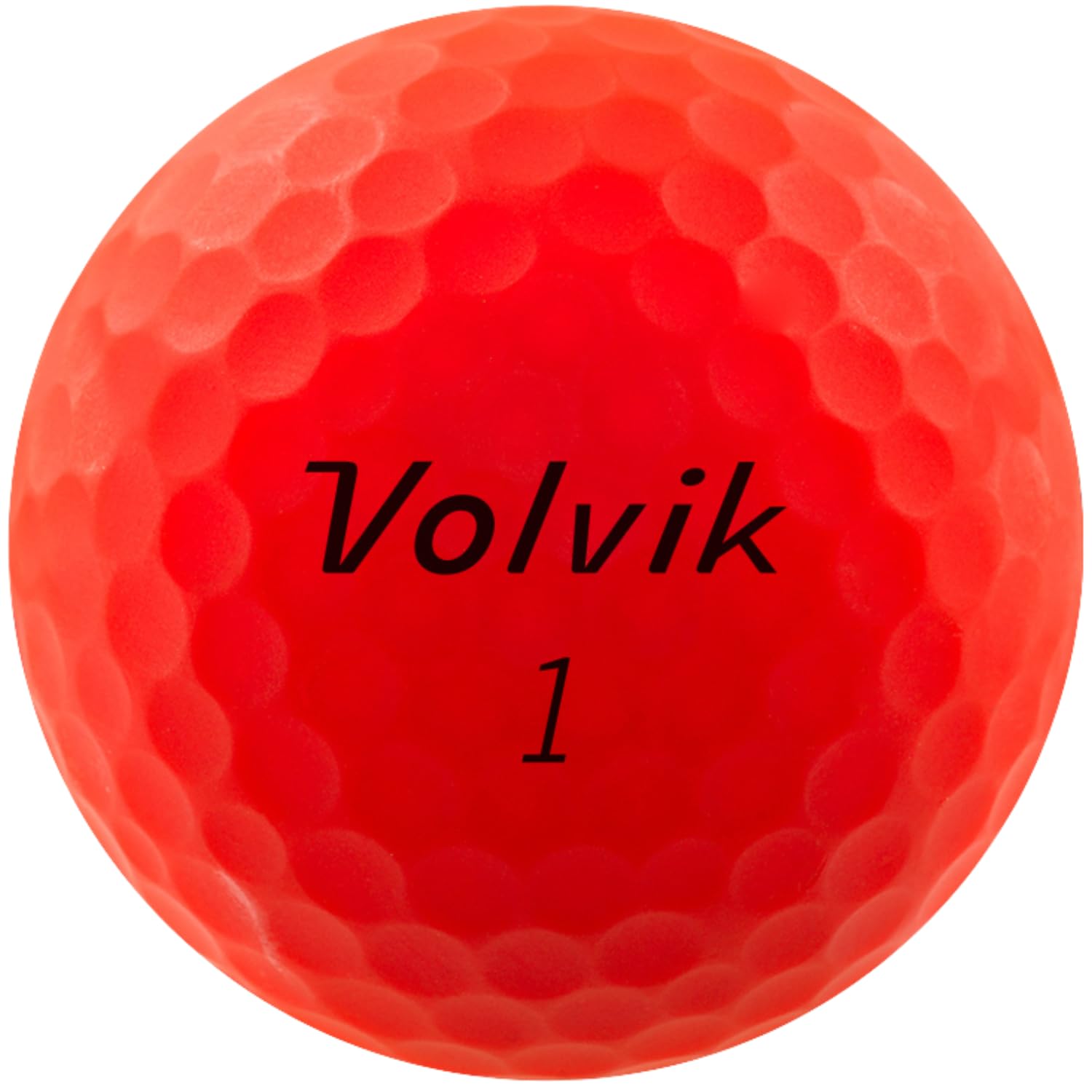
A South Korean brand founded in 1980, Volvik rose to become a domestic leader before establishing itself globally as a colored-ball specialist — most notably the matte Vivid line.
Most Famous PlayerBubba WatsonA brief but memorable pink-ball partnership.
Also worth knowing: Various LPGA players including Chella Choi, plus several long-drive champions.
A fun, visible, performance-oriented alternative with a strong women's and novelty presence.
1914Established
🇺🇸USA
Wilson
112 Years in Business
19142026
An American sporting-goods giant, Wilson traces back to the Thomas E. Wilson Co., founded in 1914 out of the meatpacking industry. Golf clubs followed in the early 20th century and Staff balls in 1954.
Most Famous PlayerGene SarazenSigned a 75-year deal with Wilson and invented the modern sand wedge.
Also worth knowing: Arnold Palmer, Sam Snead, and Patty Berg and Babe Zaharias, who helped launch the LPGA.
A classic American multi-sport brand with major pedigree in irons.
Range Balls
Not a brand at all — just the recycled or purpose-built two-piece balls sitting in every bucket at the range. Built for durability and consistent flight over scoring performance, they're used by every level of golfer for warm-up and practice.
Also worth knowing: No “famous player” association — beyond the fact every professional hits them before every single round.
Not for scoring. Just for getting loose.
Our Picks
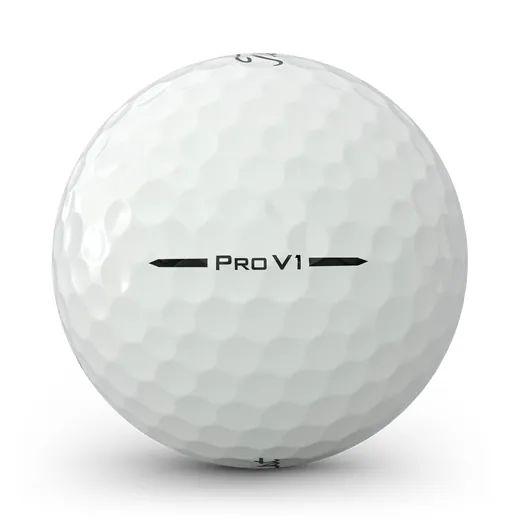
Best Overall
Titleist
Pro V1
The tour standard — consistent, proven, and dialed in for every part of the game.
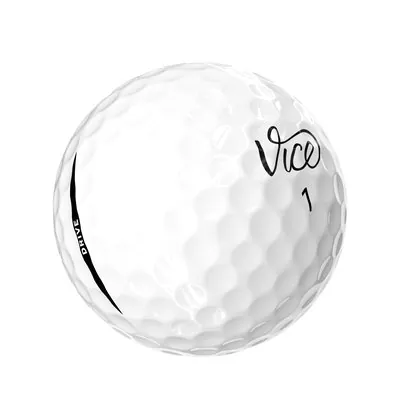
Best Value
Vice
Drive
Solid distance and feel without the tour-ball price tag.
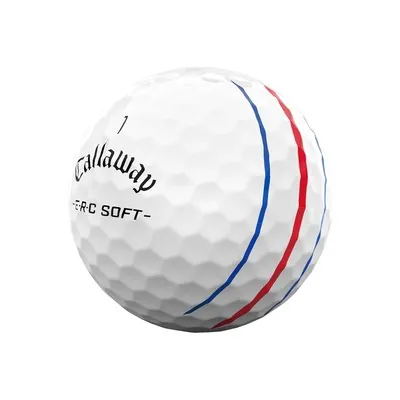
Best Looking
Callaway
ERC Soft
The one that gets picked up in the pro shop just to be looked at.
Brand
Quality
Cover
Price
Layers
Compression
30105
Any
No balls match those filters.
Titleist
8
Premium
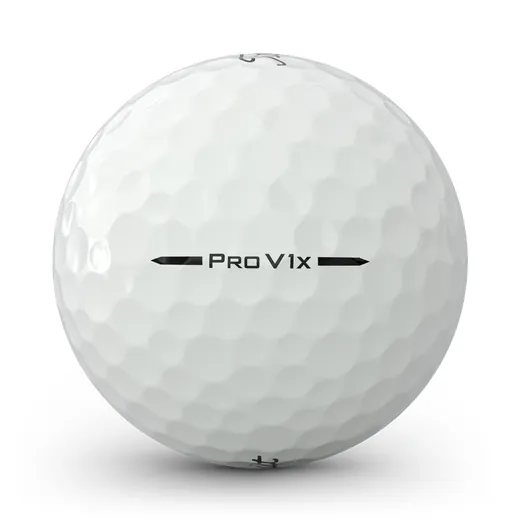
Pro V1 X
Compression96
softfirm
Price bandTour
Layers4-piece
Released2025
Urethane
Premium
Pro V1
Compression87
softfirm
Price bandTour
Layers3-piece
Released2025
Urethane
Premium
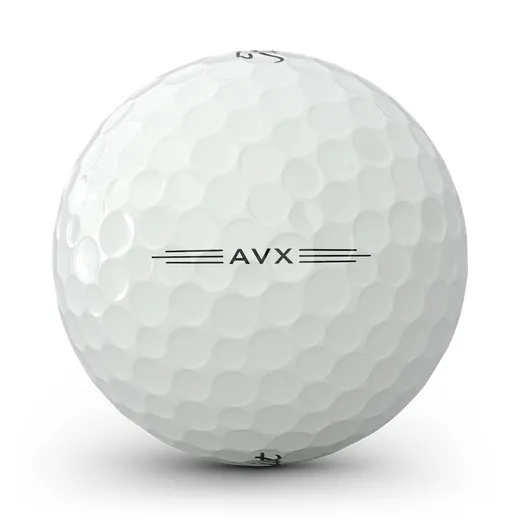
AVX
Compression77
softfirm
Price bandTour
Layers3-piece
Released2026
Urethane
Mid Range
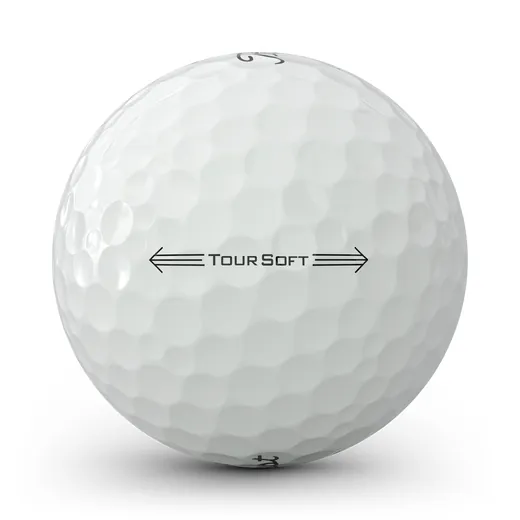
Tour Soft
Compression70
softfirm
Price bandProfessional
Layers2-piece
Released2026
Ionomer
Mid Range
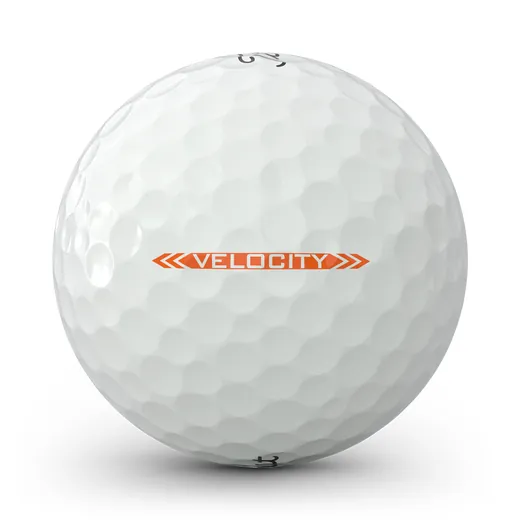
Velocity
Compression84
softfirm
Price bandAmateur
Layers2-piece
Released2026
Ionomer
Mid Range
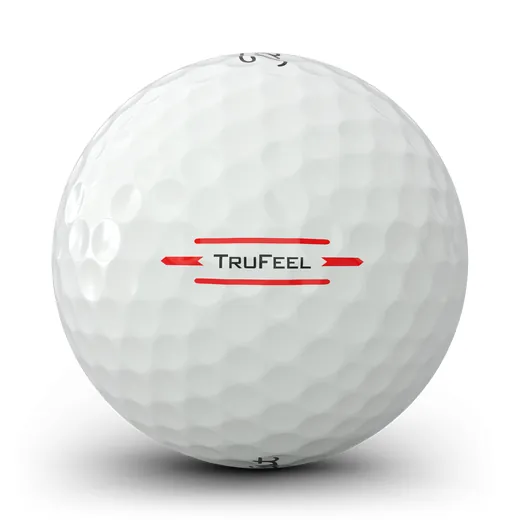
TruFeel
Compression73
softfirm
Price bandAmateur
Layers2-piece
Released2024
Ionomer
Budget
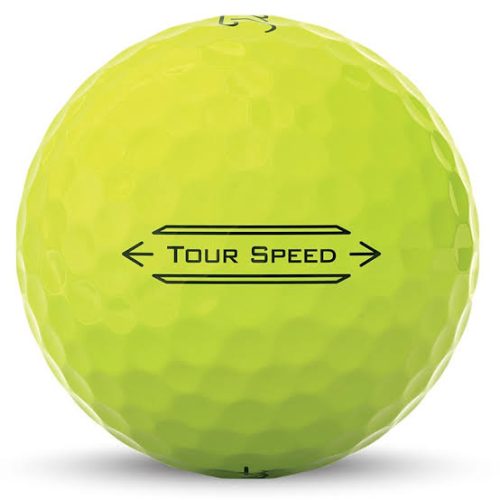
Tour Speed
Compression82
softfirm
Price bandAmateur
Layers3-piece
Released2024
Urethane
Budget
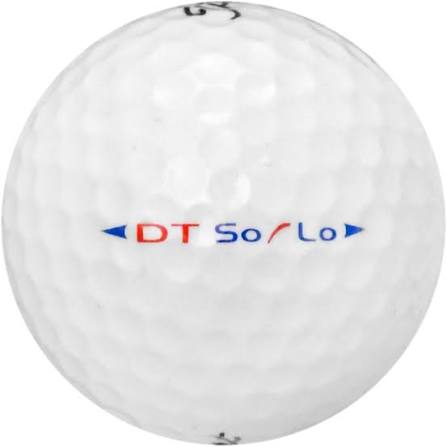
Dt Solo
Compression78
softfirm
Price bandBeginner
Layers2-piece
Released2014
Ionomer
Bridgestone
7
Premium
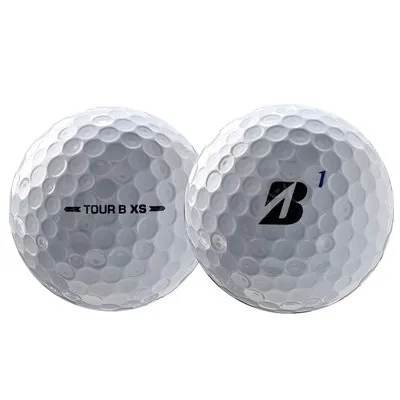
Tour B XS
Compression84
softfirm
Price bandTour
Layers3-piece
Released2026
Urethane
Premium
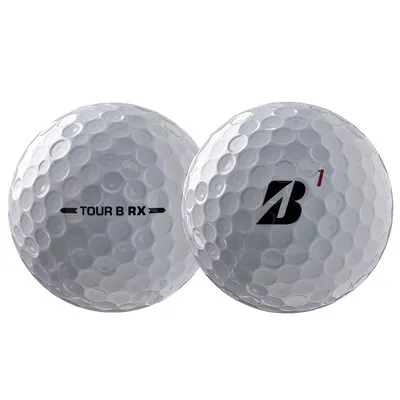
Tour B RX
Compression79
softfirm
Price bandTour
Layers3-piece
Released2026
Urethane
Premium
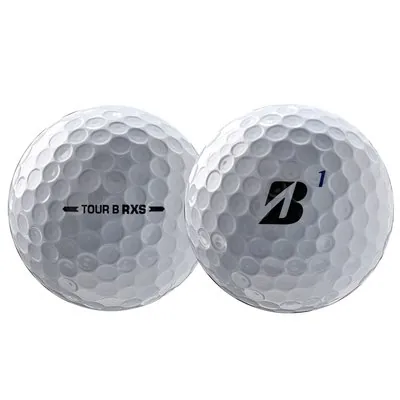
Tour B RXS
Compression65
softfirm
Price bandTour
Layers3-piece
Released2026
Urethane
Budget
e12 HiLaunch
Compression55
softfirm
Price bandAmateur
Layers2-piece
Released2025
Ionomer
Budget
e6 Soft
Compression44
softfirm
Price bandBeginner
Layers2-piece
Released2025
Ionomer
Budget
e12 Speed
Compression74
softfirm
Price bandAmateur
Layers3-piece
Released2025
Ionomer
Budget
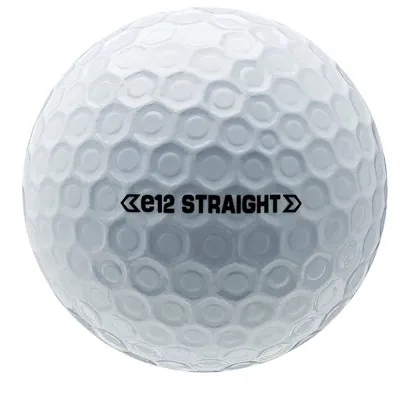
e12 Straight
Compression61
softfirm
Price bandAmateur
Layers3-piece
Released2025
Ionomer
Callaway
8
Premium
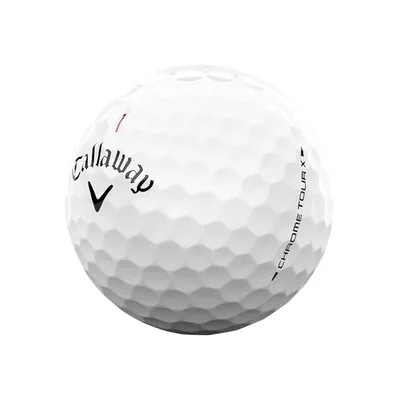
Chrome Tour X
Compression100
softfirm
Price bandTour
Layers4-piece
Released2026
Urethane
Premium
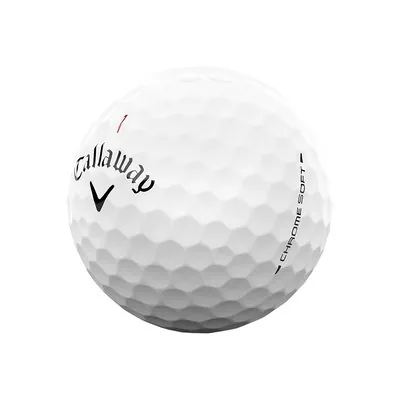
Chrome Soft
Compression74
softfirm
Price bandTour
Layers4-piece
Released2026
Urethane
Premium
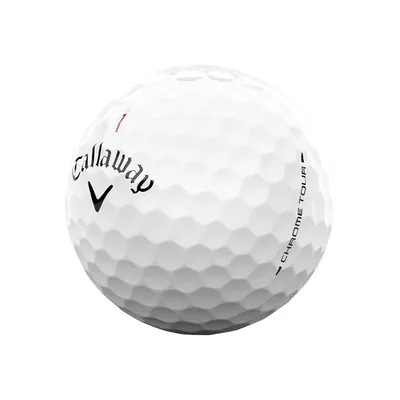
Chrome Tour
Compression87
softfirm
Price bandTour
Layers4-piece
Released2026
Urethane
Mid Range
ERC Soft
Compression60
softfirm
Price bandProfessional
Layers3-piece
Released2025
Hybrid
Mid Range
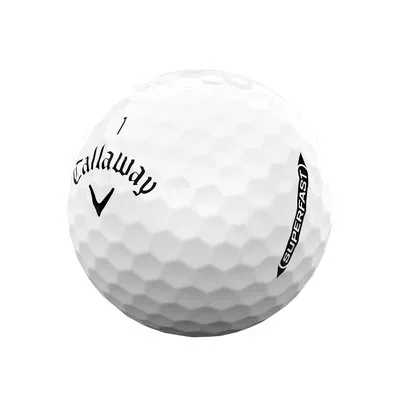
Superfast
Compression50
softfirm
Price bandAmateur
Layers2-piece
Released2025
Hybrid
Budget
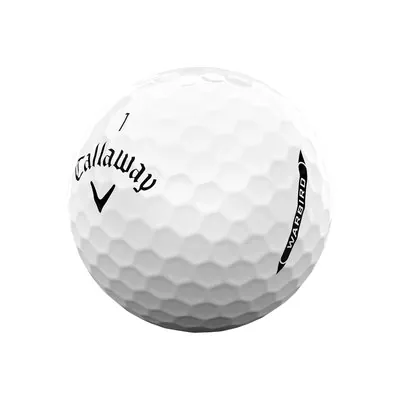
Warbird
Compression90
softfirm
Price bandBeginner
Layers2-piece
Released2025
Ionomer
Budget
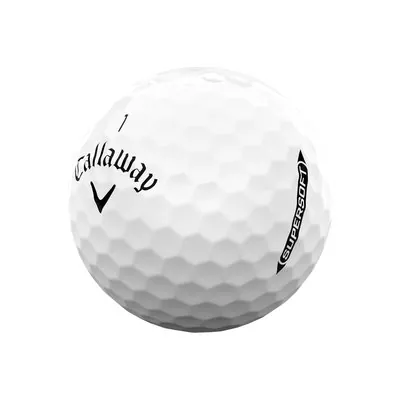
Supersoft
Compression35
softfirm
Price bandAmateur
Layers2-piece
Released2025
Hybrid
Budget
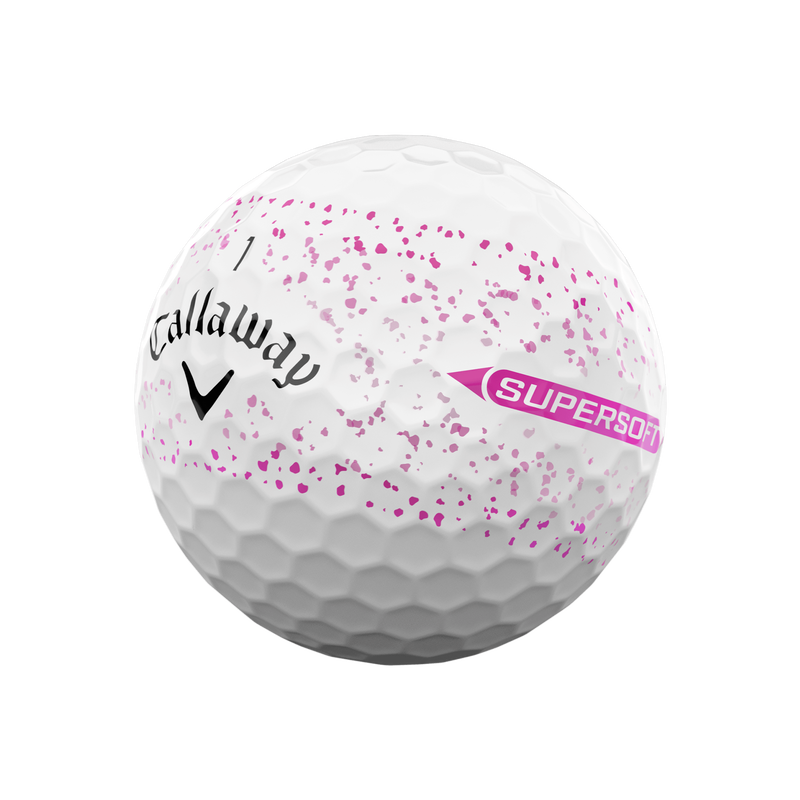
Supersoft Splatter
Compression40
softfirm
Price bandAmateur
Layers2-piece
Released2026
Urethane
Maxfli
6
Premium
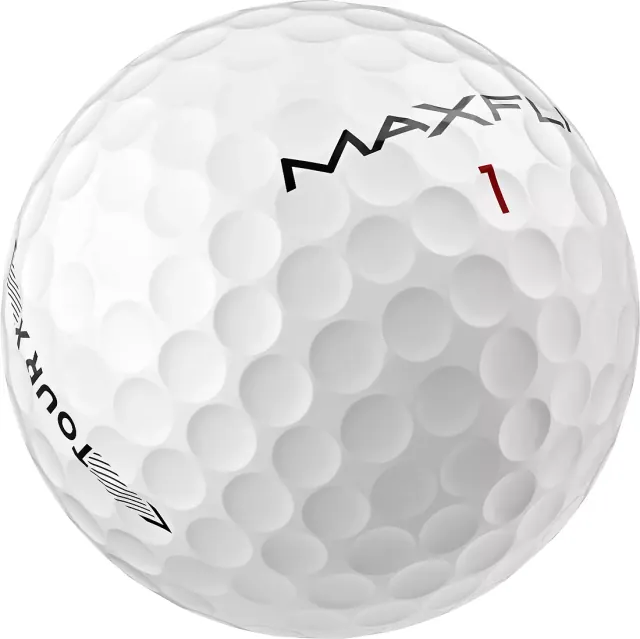
Tour X
Compression101
softfirm
Price bandProfessional
Layers4-piece
Released2025
Urethane
Premium
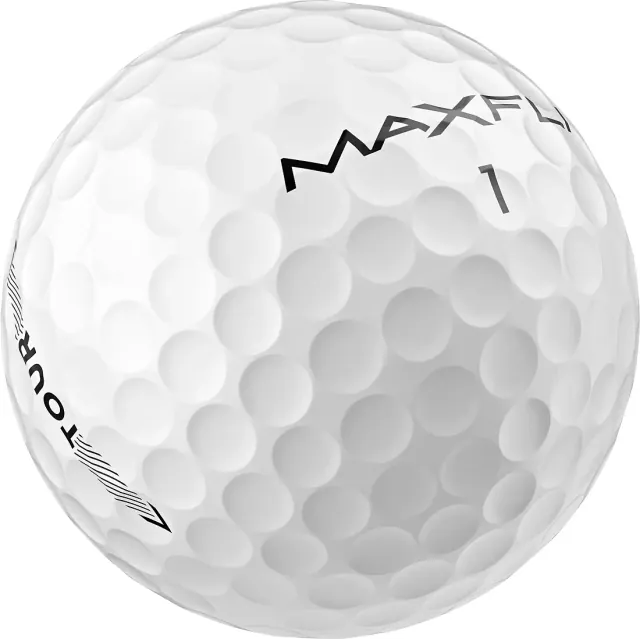
Tour
Compression95
softfirm
Price bandProfessional
Layers3-piece
Released2025
Urethane
Premium
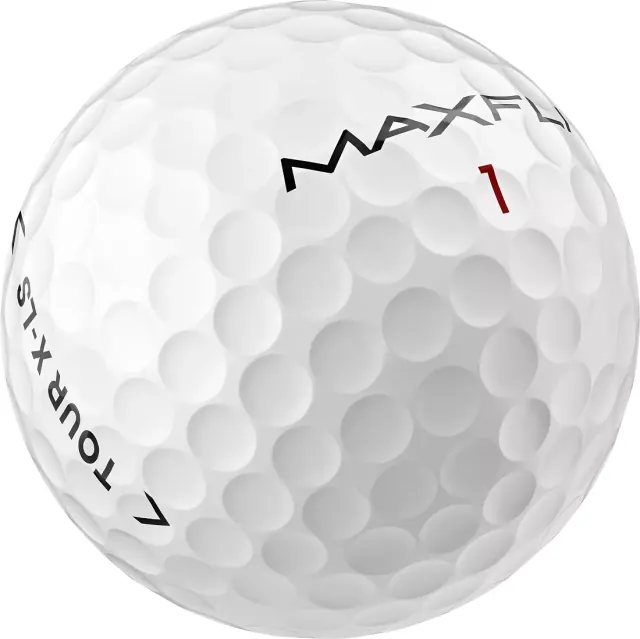
Tour X LS
Compression100
softfirm
Price bandProfessional
Layers4-piece
Released2026
Urethane
Premium
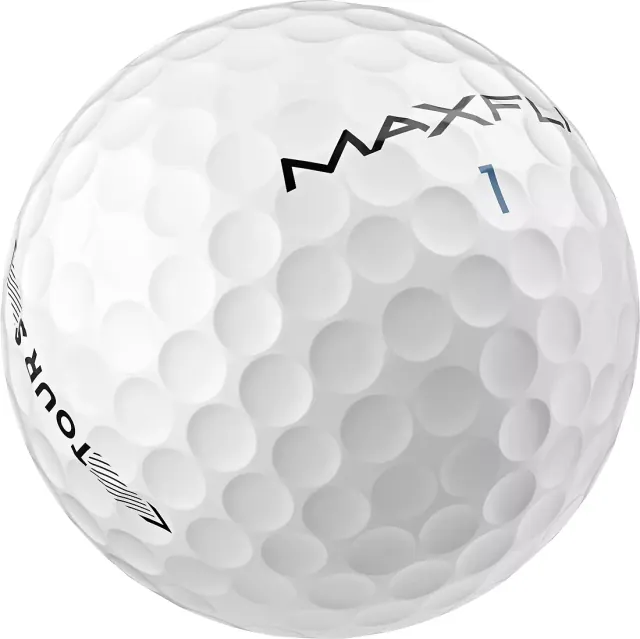
Tour S
Compression85
softfirm
Price bandProfessional
Layers3-piece
Released2025
Urethane
Mid Range
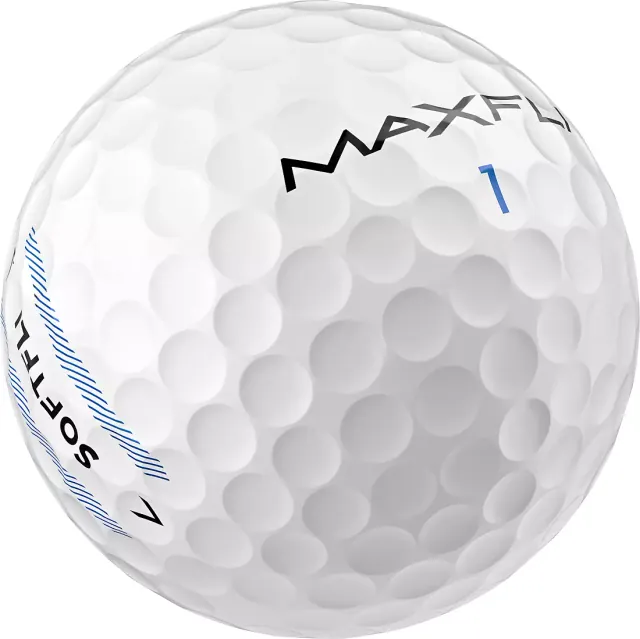
SoftFli
Compression45
softfirm
Price bandBeginner
Layers2-piece
Released2025
Ionomer
Mid Range
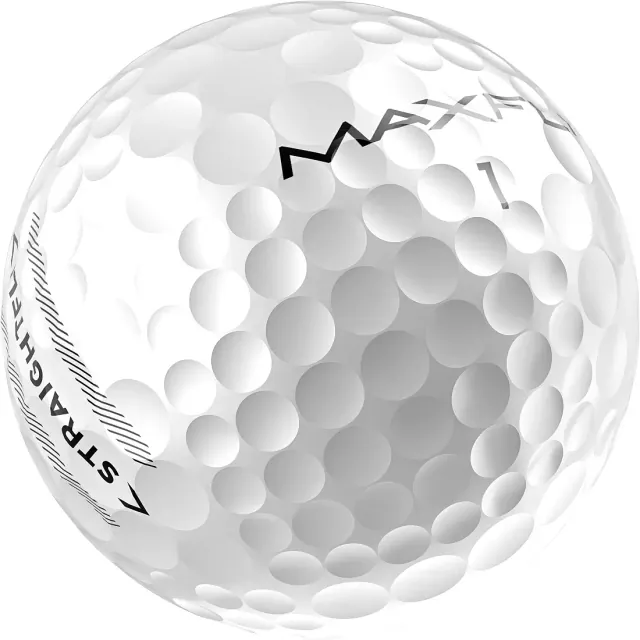
StraightFli
Compression55
softfirm
Price bandBeginner
Layers2-piece
Released2025
Ionomer
Snell
2
Mid Range
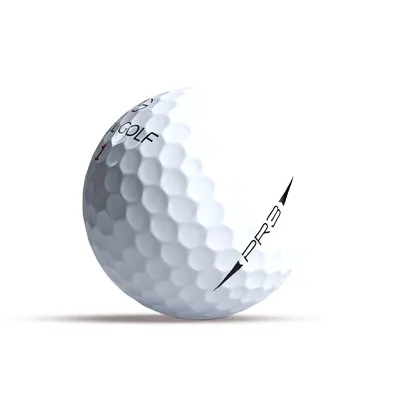
PR3
Compression82
softfirm
Price bandAmateur
Layers3-piece
Released2026
Urethane
Mid Range
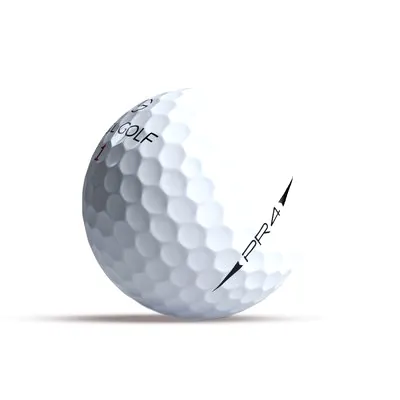
PR4
Compression87
softfirm
Price bandAmateur
Layers4-piece
Released2026
Urethane
Srixon
6
Premium
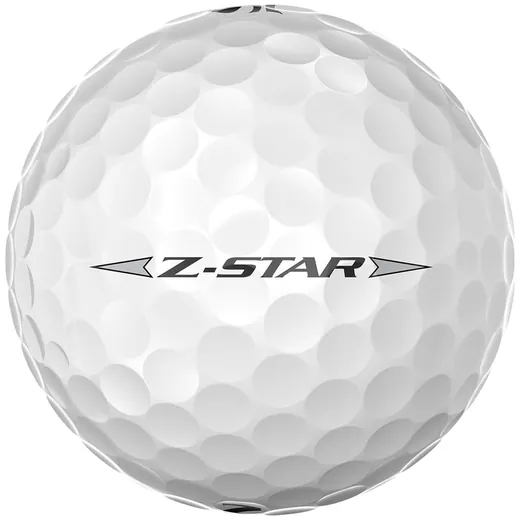
Z-Star
Compression88
softfirm
Price bandTour
Layers3-piece
Released2025
Urethane
Premium
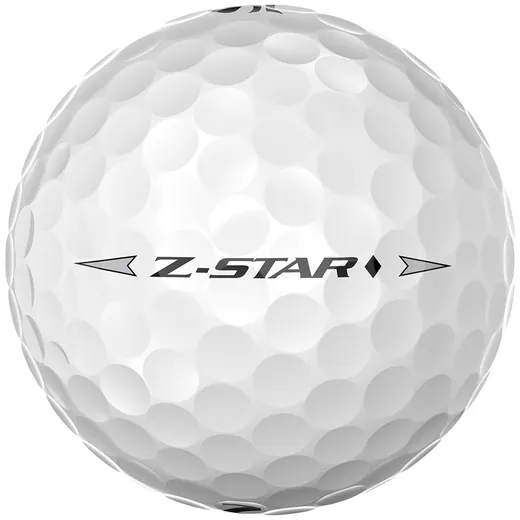
Z-Star Diamond
Compression100
softfirm
Price bandTour
Layers3-piece
Released2025
Urethane
Premium
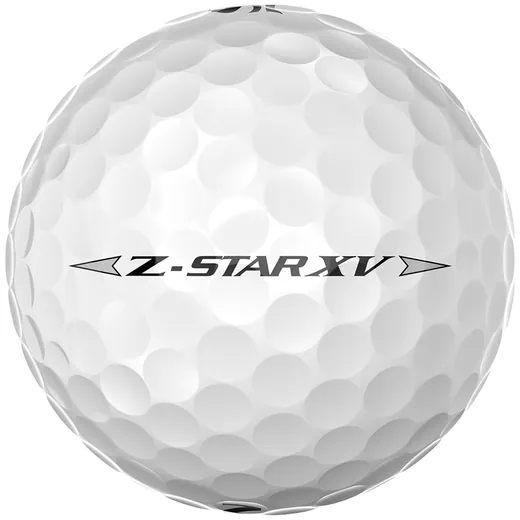
Z-Star XV
Compression102
softfirm
Price bandTour
Layers3-piece
Released2025
Urethane
Mid Range
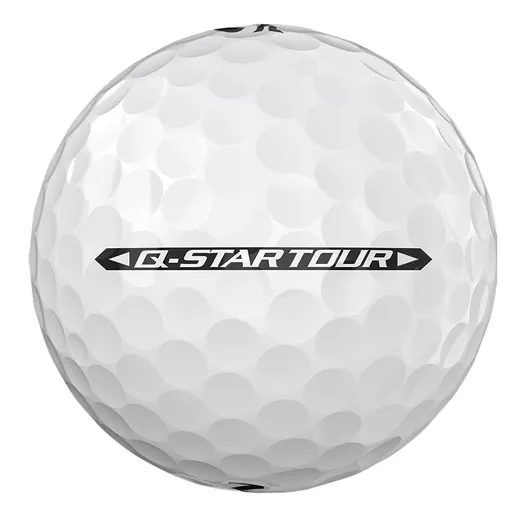
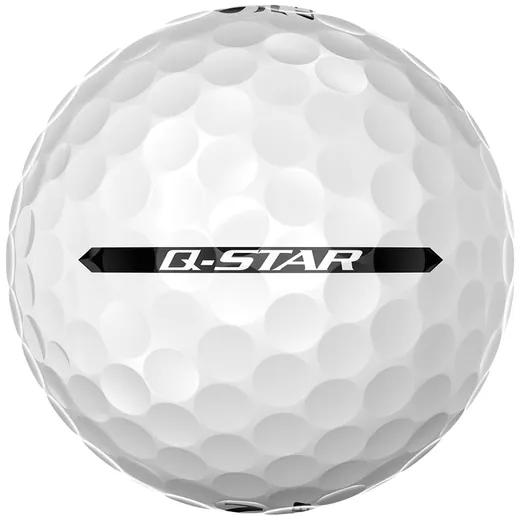
Q-Star Tour
Compression74
softfirm
Price bandProfessional
Layers3-piece
Released2026
Urethane
Mid Range
Q-Star Ultispeed
Compression85
softfirm
Price bandAmateur
Layers3-piece
Released2025
Ionomer
Budget
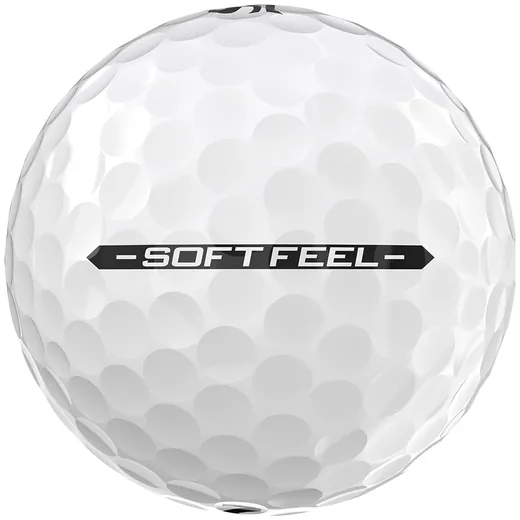
Soft Feel
Compression58
softfirm
Price bandAmateur
Layers2-piece
Released2023
Ionomer
TaylorMade
7
Premium
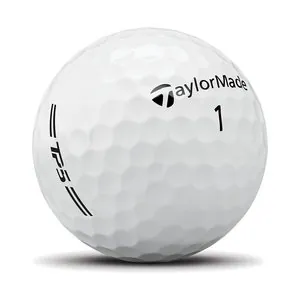
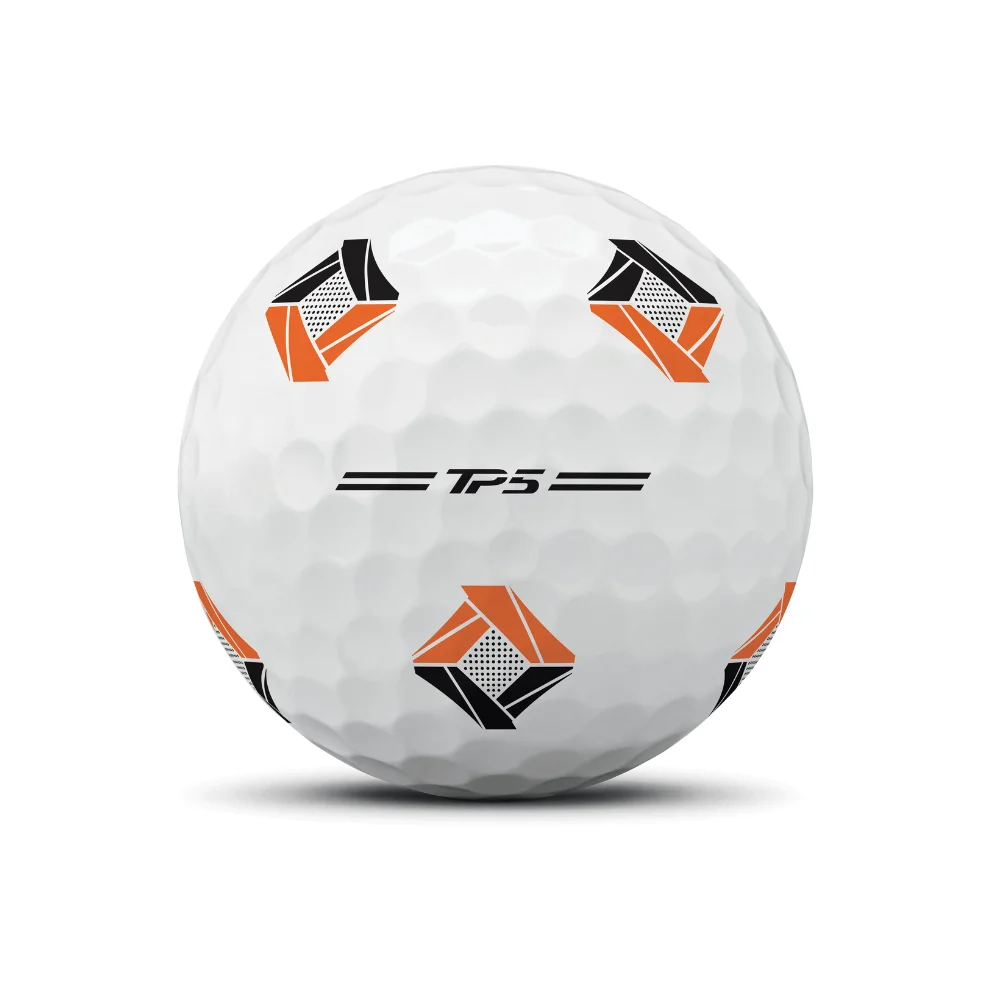
TP5
Compression88
softfirm
Price bandTour
Layers5-piece
Released2026
Urethane
Premium
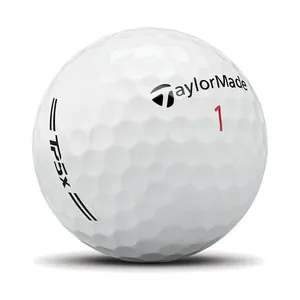
TP5x
Compression93
softfirm
Price bandTour
Layers5-piece
Released2026
Urethane
Premium
TP5 - PIX
Compression90
softfirm
Price bandTour
Layers5-piece
Released2026
Urethane
Mid Range
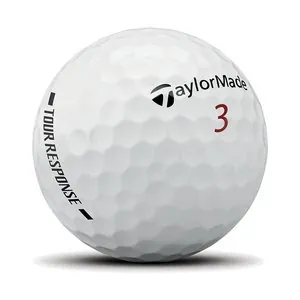
Tour Response
Compression73
softfirm
Price bandProfessional
Layers3-piece
Released2025
Urethane
Mid Range
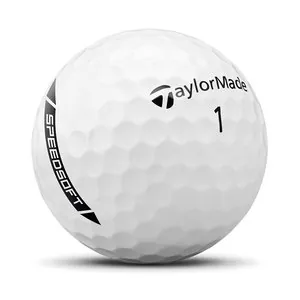
Speedsoft
Compression55
softfirm
Price bandAmateur
Layers2-piece
Released2024
Ionomer
Budget
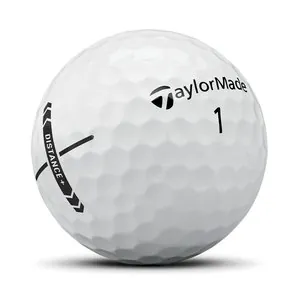
Distance
Compression77
softfirm
Price bandBeginner
Layers2-piece
Released2025
Ionomer
Budget
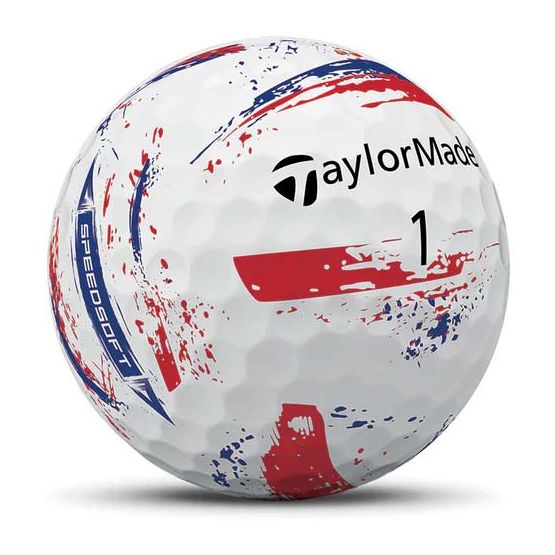
Speedsoft-Splash
Compression45
softfirm
Price bandAmateur
Layers2-piece
Released2026
Ionomer
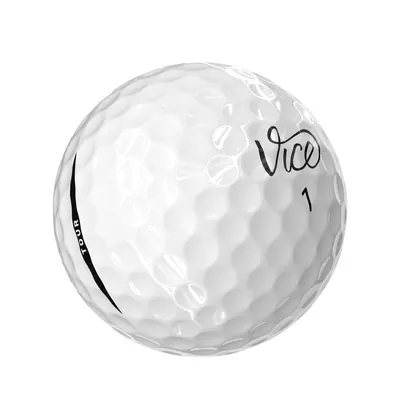
Vice
5
Premium
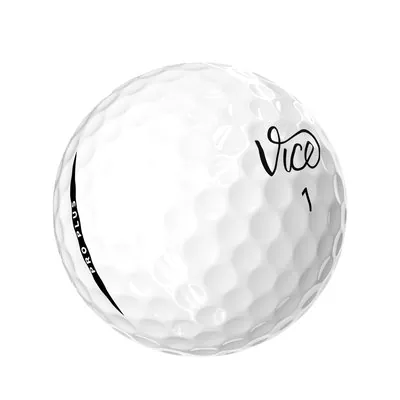
Pro Plus
Compression100
softfirm
Price bandProfessional
Layers4-piece
Released2024
Urethane
Premium
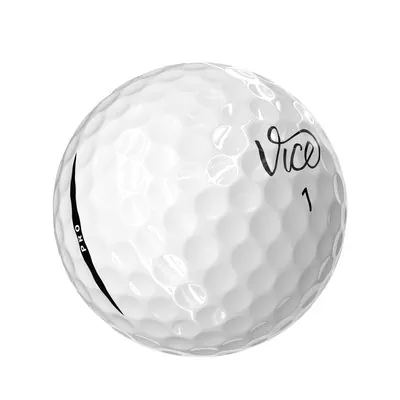
Pro
Compression90
softfirm
Price bandProfessional
Layers3-piece
Released2024
Urethane
Premium
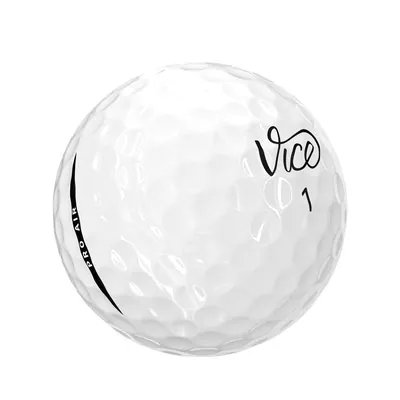
Pro Air
Compression75
softfirm
Price bandProfessional
Layers3-piece
Released2024
Urethane
Mid Range
Tour
Compression85
softfirm
Price bandAmateur
Layers3-piece
Released2024
Ionomer
Budget
Drive
Compression95
softfirm
Price bandBeginner
Layers2-piece
Released2024
Ionomer
Wilson
5
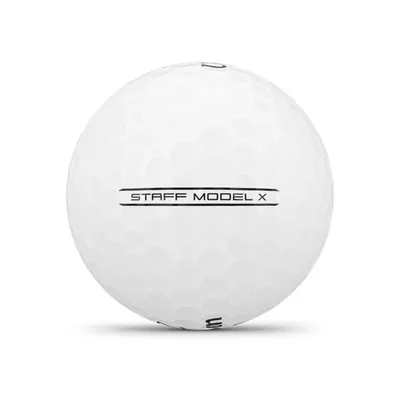
Premium
Staff Model X
Compression98
softfirm
Price bandTour
Layers4-piece
Released2026
Urethane
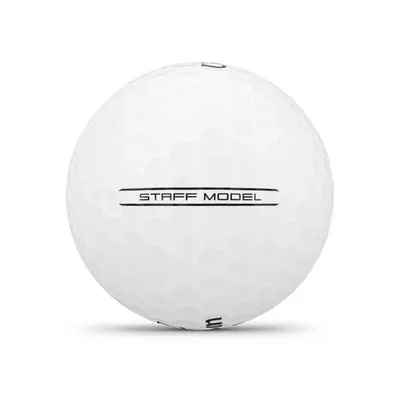
Mid Range
Staff Model
Compression88
softfirm
Price bandTour
Layers4-piece
Released2026
Urethane
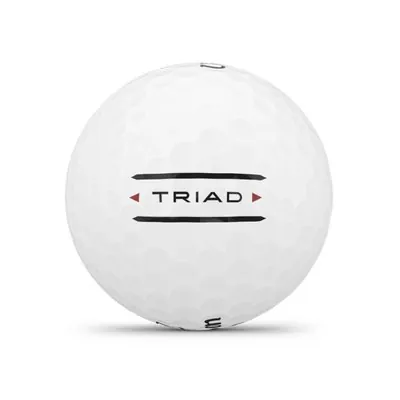
Mid Range
Triad
Compression80
softfirm
Price bandProfessional
Layers3-piece
Released2025
Urethane
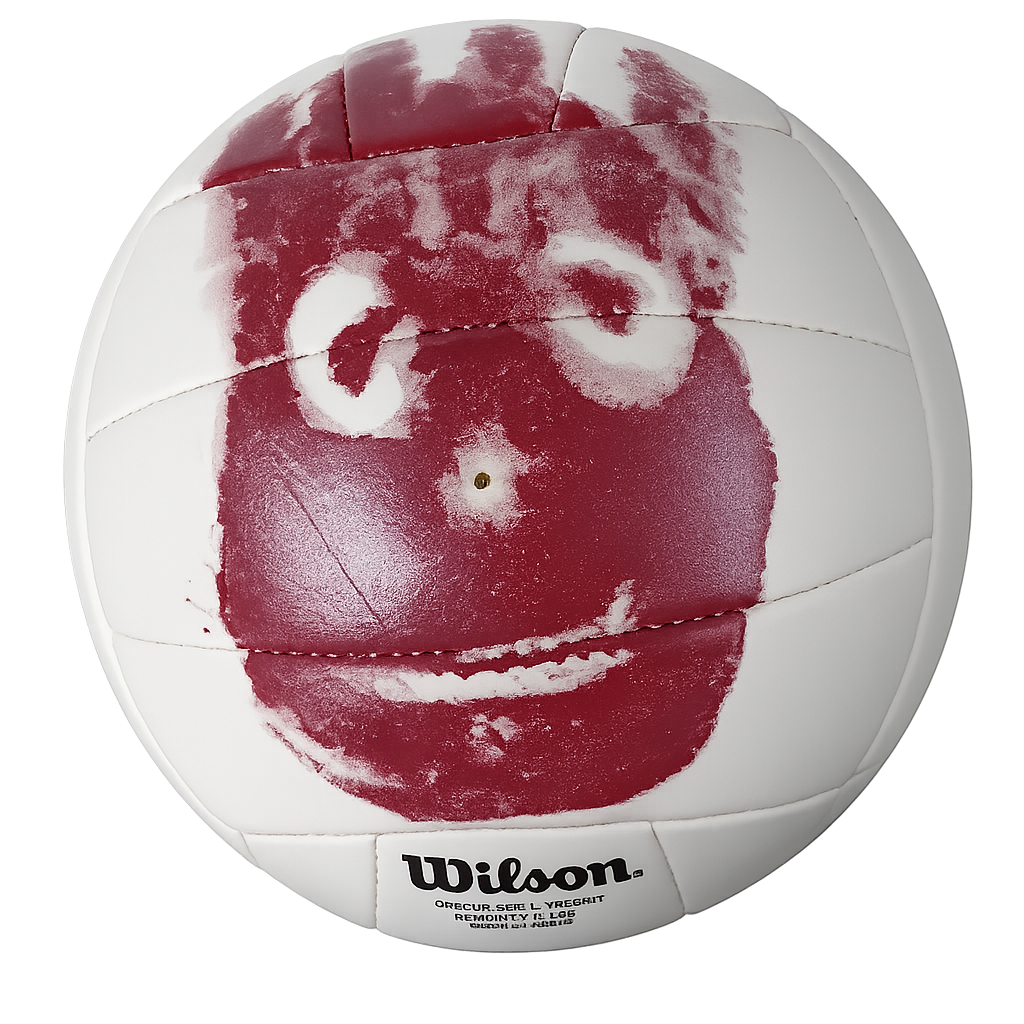
Budget
Castaway
CompressionDeflated
Price bandPriceless
LayersInfinite
Released2000
Leather
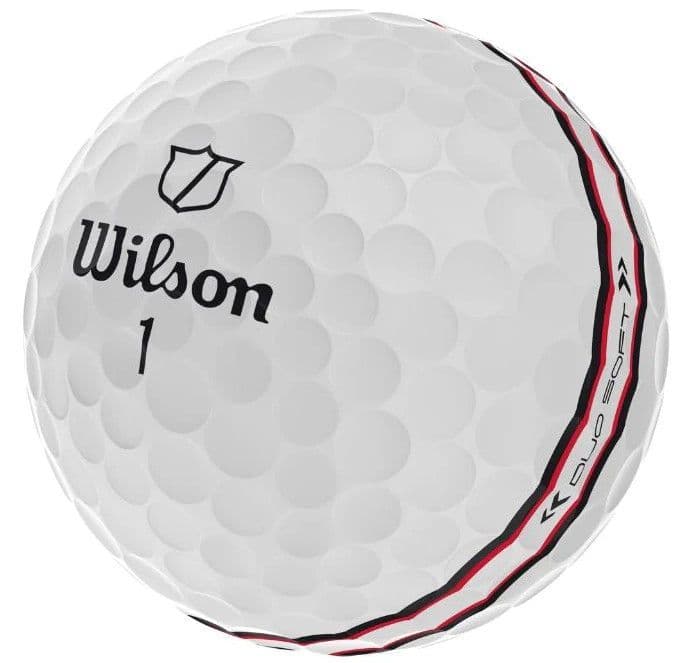
Budget
Duo Soft
Compression37
softfirm
Price bandAmateur
Layers2-piece
Released2026
Ionomer
Mizuno
2
Premium
Pro S
Compression100
softfirm
Price bandProfessional
Layers3-piece
Released2026
Urethane
Budget
RB 566
Compression60
softfirm
Price bandAmateur
Layers2-piece
Released2026
Ionomer
Nike
2
Premium
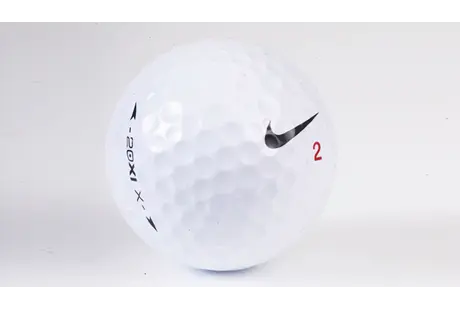
20XI-X
Compression91
softfirm
Price bandTour
Layers4-piece
Released2013
Urethane
Mid Range
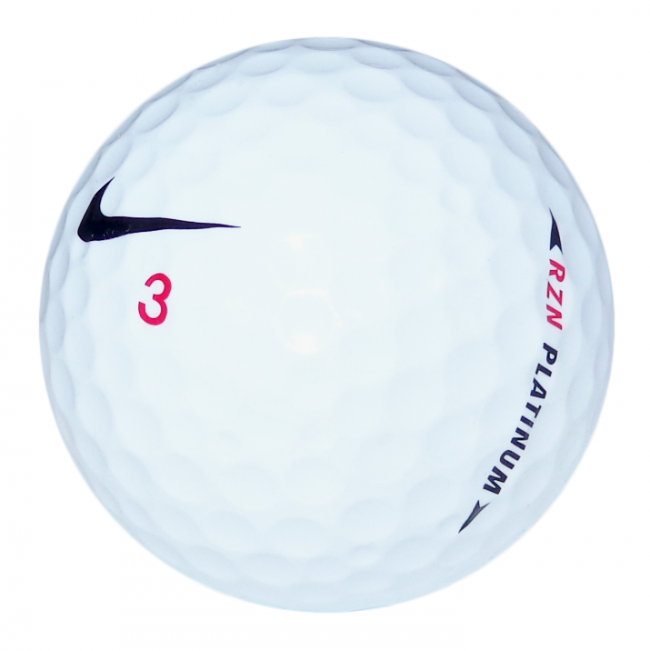
RZN Platinum
Compression71
softfirm
Price bandProfessional
Layers4-piece
Released2016
Urethane
PXG
1
Premium
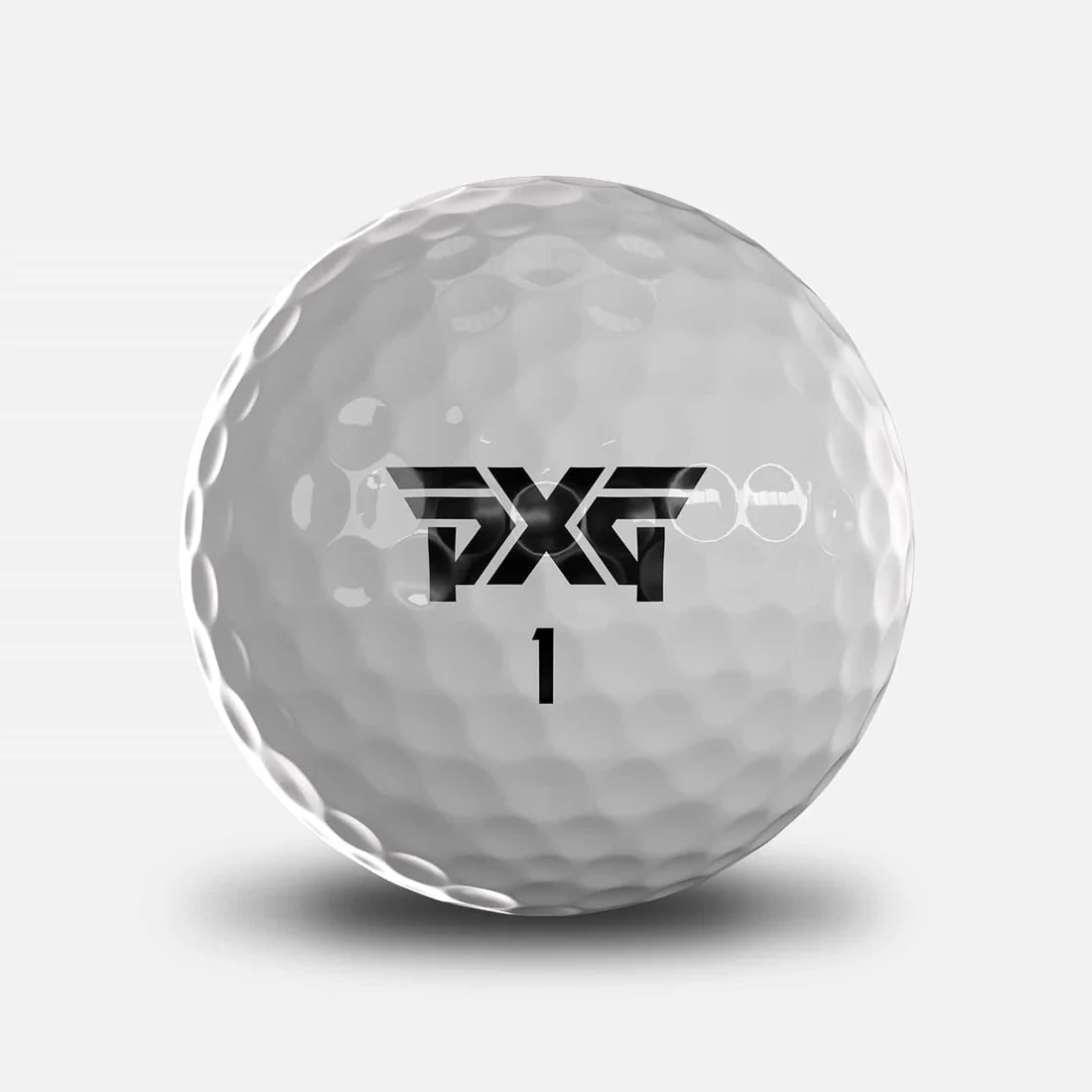
Xtreme Tour
Compression97
softfirm
Price bandTour
Layers3-piece
Released2026
Urethane
Volvik
2
Mid Range
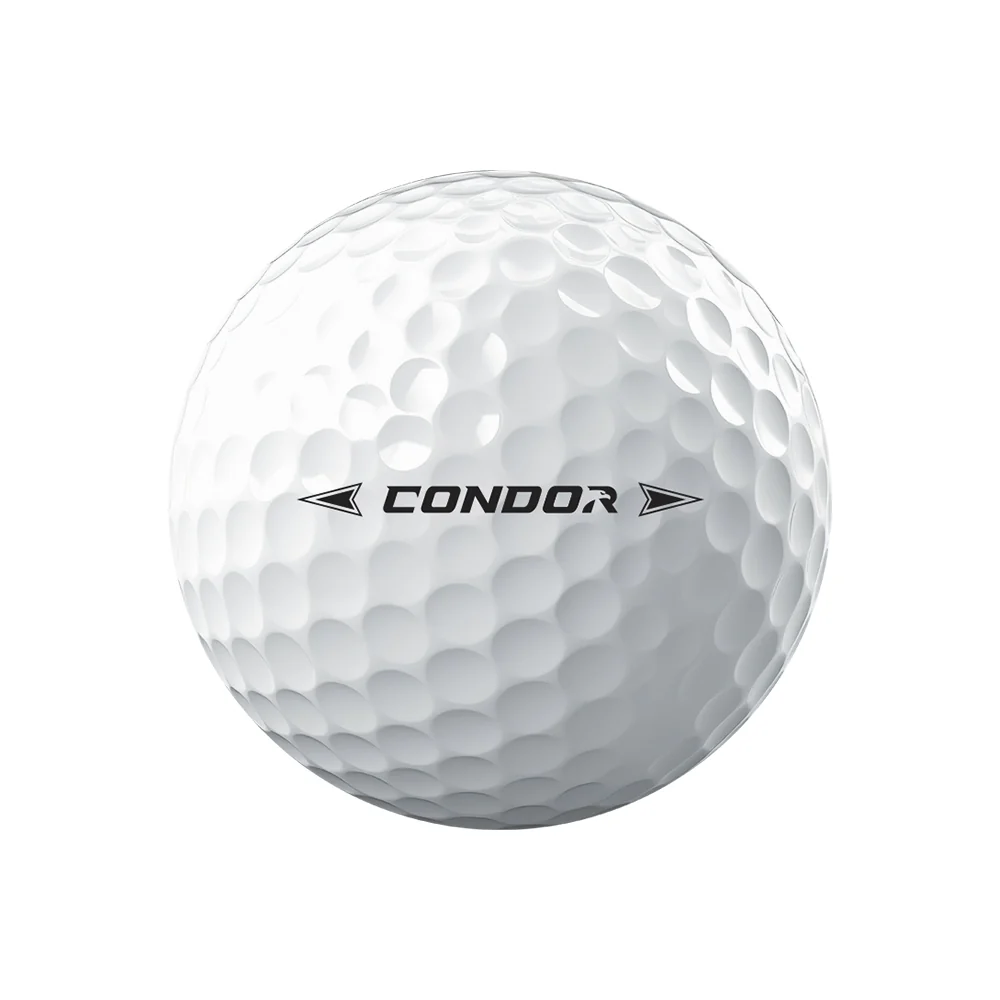
Condor
Compression85
softfirm
Price bandProfessional
Layers3-piece
Released2026
Urethane
Budget
Vivid
Compression75
softfirm
Price bandBeginner
Layers3-piece
Released2026
Hybrid
Build Your Ideal Ball
Pick your budget, then spend your points on what matters most to you